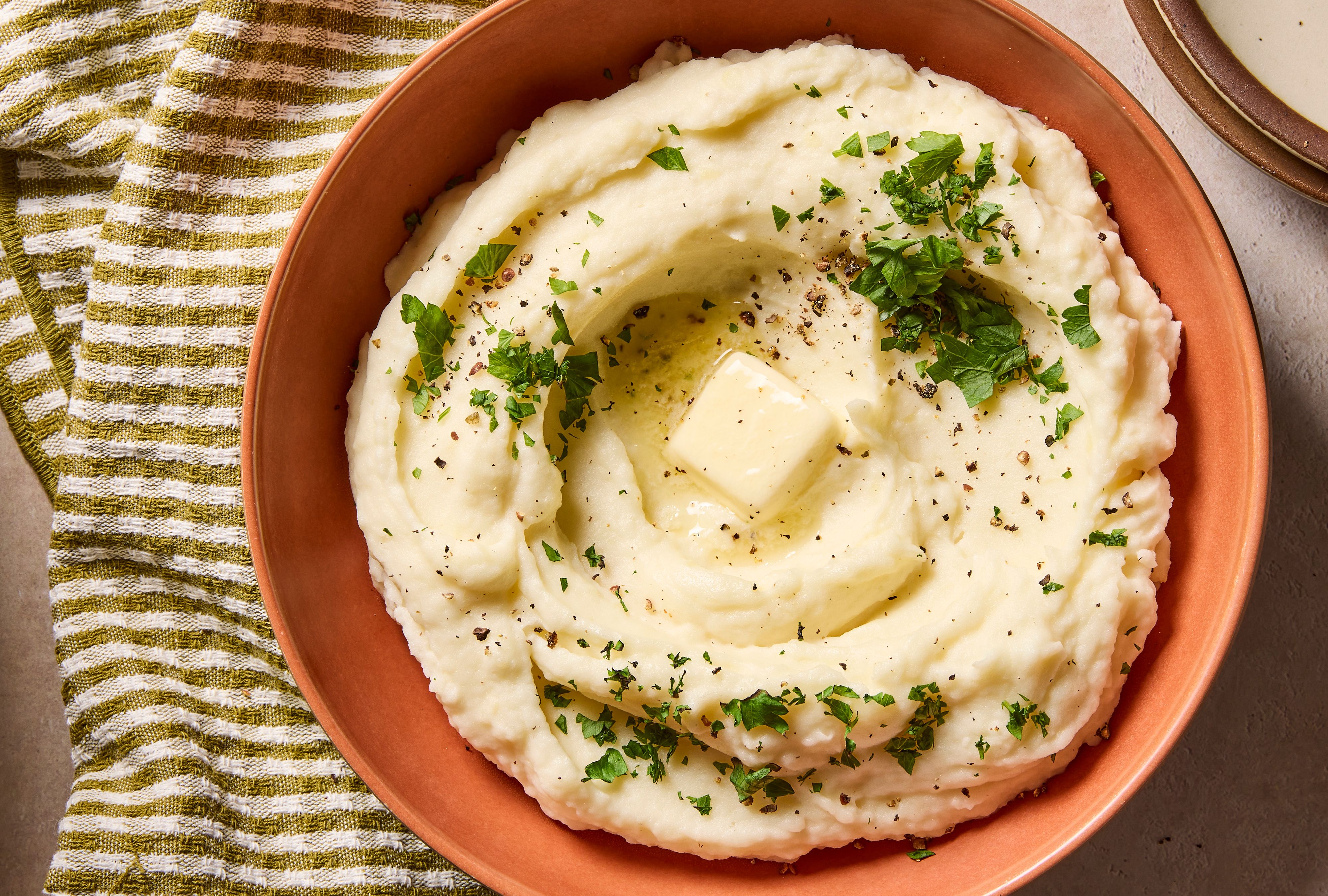
Yukon Gold vs. Russet: Choosing Potatoes for Mashed Potatoes for Two
Crafting the perfect batch of mashed potatoes for two can often feel like a culinary paradox. Most recipes cater to larger gatherings, leaving couples and small households with an abundance of leftovers or, worse, resorting to instant flakes. However, ditching the instant and embracing homemade for your next intimate dinner is not only achievable but deeply rewarding. The secret to those cloud-like, intensely flavorful mashed potatoes for two lies not just in technique, but fundamentally in your choice of potato.
When you're aiming for that ideal side dish – whether it's for a cozy weeknight meal, a special anniversary, or a small holiday celebration – every ingredient counts. And for mashed potatoes, the star of the show is, unequivocally, the potato itself. This article delves into the merits of two prime contenders: the buttery Yukon Gold and the famously fluffy Russet, helping you decide which spud will elevate your next serving of
perfect mashed potatoes for two.
The Quest for Perfect Mashed Potatoes for Two: Why Potato Choice Matters
Making a small batch of mashed potatoes often feels like an unnecessary hassle, leading many to grab convenience options. However, with the right approach, homemade mashed potatoes for two are surprisingly simple and unequivocally superior. The type of potato you select is the cornerstone of its success. Potatoes vary significantly in their starch and moisture content, which directly impacts their texture when mashed. Understanding these differences is key to achieving your desired consistency, whether you prefer a creamy, rich mash or a light, airy fluff.
For a dish like mashed potatoes, where the potato's character truly shines, making an informed choice is paramount. The goal is to create a texture that is neither gummy nor watery, but perfectly smooth and palatable. Let's explore how our two main contenders stack up.
Understanding the Contenders: Yukon Gold
Often lauded by chefs and home cooks alike, the Yukon Gold potato holds a special place in the mashed potato hall of fame. This golden-hued gem is a favorite for good reason:
*
Starch and Moisture Profile: Yukon Golds strike an ideal balance with a high starch content and relatively low moisture. This combination is precisely what makes them excellent for mashing. Their structure breaks down beautifully during cooking, yielding a consistently smooth texture without becoming gluey.
*
Flavor Profile: One of the standout features of Yukon Golds is their inherent natural buttery flavor when cooked. This distinct characteristic means you might find yourself needing less added butter to achieve a rich taste, making your mashed potatoes for two feel luxurious even with minimal additions.
*
Texture: When mashed, Yukon Golds produce a wonderfully creamy, velvety texture. They are less likely to become dry than some other high-starch varieties, offering a more moist and consistent mouthfeel.
*
Skin Advantage: Another significant benefit, especially when cooking for a smaller crowd and looking to save time, is their thin, delicate skin. Unlike thicker-skinned potatoes, Yukon Gold skins are so fine that you can often leave them on if you desire a more rustic, skin-on mash. Once boiled, the skins soften and blend seamlessly into the potato flesh, requiring no extra peeling step. This is a game-changer for quick, hassle-free mashed potatoes for two.
*
Best Use Cases: Beyond mashing, Yukon Golds excel in baking, roasting, and frying, thanks to their versatile texture and flavor.
For those who prioritize a naturally buttery flavor, a creamy consistency, and perhaps a quicker prep time, the Yukon Gold is an outstanding choice for
mashed potatoes for two.
Understanding the Contenders: Russet
The Russet potato, also known as Idaho potato, is a classic workhorse in the kitchen, particularly famous for its role in creating fluffy, airy dishes. It's the go-to for many who seek that quintessential light mashed potato experience.
*
Starch and Moisture Profile: Russets boast an exceptionally high starch content and very low moisture. This makes them incredibly absorbent, capable of soaking up generous amounts of butter, milk, and other dairy without becoming soggy.
*
Flavor Profile: Russets have a more neutral flavor compared to Yukon Golds. This neutral canvas is an advantage, as it allows other flavors – like rich butter, fresh herbs, or garlic – to truly shine and become the focal point of your mashed potatoes for two.
*
Texture: When properly mashed, Russets yield an incredibly light, fluffy, and almost powdery texture. Their dry, mealy flesh breaks apart easily, making them perfect for achieving that iconic airy consistency that many crave in mashed potatoes.
*
Skin Disadvantage: The main drawback for Russets when it comes to mashing is their thick, tough skin. For truly smooth mashed potatoes, peeling is essential, adding a step to the preparation process. While some may enjoy a rustic, skin-on Russet mash, it's generally not recommended for the classic smooth texture.
*
Best Use Cases: Russets are unparalleled for baking, making crispy french fries, and, of course, producing incredibly fluffy mashed potatoes.
If your ideal mashed potato is one that's super fluffy, light, and acts as a perfect vehicle for butter and cream, the Russet potato is your best bet for your next batch of
mashed potatoes for two.
Beyond the Spud: Essential Techniques for Small-Batch Perfection
While choosing the right potato is fundamental, even the finest Yukon Golds or Russets won't yield perfect results without proper technique. For mashed potatoes for two, where precision can make a big difference in a smaller volume, these tips are crucial.
*
The "Hot Pot Secret" for Evaporating Moisture: This is arguably the single most impactful tip for achieving light and fluffy mashed potatoes, whether for two or a crowd. After your potatoes are boiled until fork-tender, drain them thoroughly in a colander, shaking gently to release excess water trapped between the chunks. Then, here's the magic: immediately return the drained potatoes to the *still hot* pot on the stovetop over low heat. Stir them frequently for a few minutes until you no longer hear them sizzle and any surface moisture has evaporated. This critical step ensures your potatoes are as dry as possible before mashing, preventing a gummy or watery end product. It's the secret to ensuring your
mashed potatoes for two are consistently fluffy.
*
Mashing Technique - Tools and Caution: Resist the siren song of the electric hand mixer for mashed potatoes. While convenient, its high-speed blades tend to over-process the potatoes, breaking down their starch too much and resulting in a sticky, glue-like texture – a common culprit for mashed potato mishaps. Instead, opt for a simple potato masher or, for the smoothest results, a potato ricer. Gently compress the potatoes until your desired consistency is reached. Remember, less is often more when it comes to mashing; stop as soon as they are smooth.
*
Warm Your Enrichments: When it's time to add your milk, cream, or butter, make sure they are warm. Cold dairy products can cool down the potatoes, making them harder to incorporate smoothly and potentially leading to a stiffer, less appealing texture. Gently warm your milk or cream on the stovetop or in the microwave before adding it to the hot, dry potatoes.
*
Don't Skip the Salt in the Boiling Water: This might seem minor, but salting the water in which you boil your potatoes is incredibly important. Potatoes absorb salt as they cook, seasoning them from the inside out. This foundational seasoning enhances the overall flavor of your mashed potatoes much more effectively than just adding salt at the mashing stage. Aim for water that tastes noticeably salty, like seawater.
*
Season to Taste: Beyond the initial salt, add your butter and warm milk/cream gradually, tasting as you go. For mashed potatoes for two, you have the luxury of fine-tuning the flavors precisely to your preference. Don't be afraid to experiment with a pinch of garlic powder, a grind of black pepper, or a sprinkle of fresh chives or Parmesan for an elevated touch.
Homemade vs. Convenience: Elevating Your Mashed Potatoes for Two
In our fast-paced lives, the allure of instant potato flakes or pre-made refrigerated mashed potatoes is undeniable. And, to their credit, these convenience products have come a long way in terms of taste and texture. For an everyday, no-fuss meal, they certainly have their place.
However, for those moments when you want to create something truly special – perhaps a romantic dinner for two, a significant anniversary celebration, or a cozy holiday meal – there is simply no substitute for homemade mashed potatoes. The rich, creamy texture, the nuanced flavor, and the sheer satisfaction of knowing you’ve created something from scratch are unparalleled. Making a small batch of
mashed potatoes for two from real potatoes is not only feasible but profoundly more rewarding. Imagine sinking your teeth into fluffy, flavorful mashed potatoes alongside a perfectly seared steak, Parmesan Crusted Pork Chops, or Honey Glazed Salmon. It transforms a simple side dish into an integral part of an unforgettable meal.
Making Your Choice: Yukon Gold or Russet for Your Next Mashed Potatoes for Two?
So, which potato reigns supreme for your perfectly portioned mashed potatoes for two? The truth is, both Yukon Gold and Russet potatoes offer exceptional qualities, and the "best" choice ultimately hinges on your personal preference for texture and flavor.
*
Choose Yukon Gold if: You desire a naturally buttery, creamy, and moist mashed potato. You appreciate a subtle, inherent flavor in your potatoes. You'd like the option to leave the skins on for a rustic touch and quicker prep. Your ideal mash is rich and smooth.
*
Choose Russet if: You crave the lightest, fluffiest, and most airy mashed potato. You want a neutral canvas that will absorb and highlight other flavors (like generous butter, cream, or garlic). You don't mind the extra step of peeling to achieve that classic, cloud-like texture. Your ideal mash is ethereal and dry.
Many home cooks even experiment with a 50/50 blend of both varieties to achieve a "best of both worlds" mash – creamy *and* fluffy! For your next intimate dinner, consider what texture and flavor profile will best complement your main course and your personal taste.
Ultimately, whether you lean towards the creamy allure of Yukon Gold or the fluffy embrace of the Russet, embarking on the journey of homemade mashed potatoes for two is a culinary decision you won't regret. With a quality potato and the right techniques, you can easily create a side dish that is every bit as special as the occasion it accompanies.